
ABOUT
Overview
Ritual is a voice first iOS app you talk to like a journal. Over time it learns what you're working on, what you keep forgetting, and where you get stuck. It then coaches you with small, specific prompts. Personal project so all work was done by me in a few days.
Calm on the surface, deliberate underneath
The interface itself is near monotone: grayscale controls, with the single diversion being the background, which carries the brand and mood. Color is something the user feels, not something they have to see on every button.
Never more than three
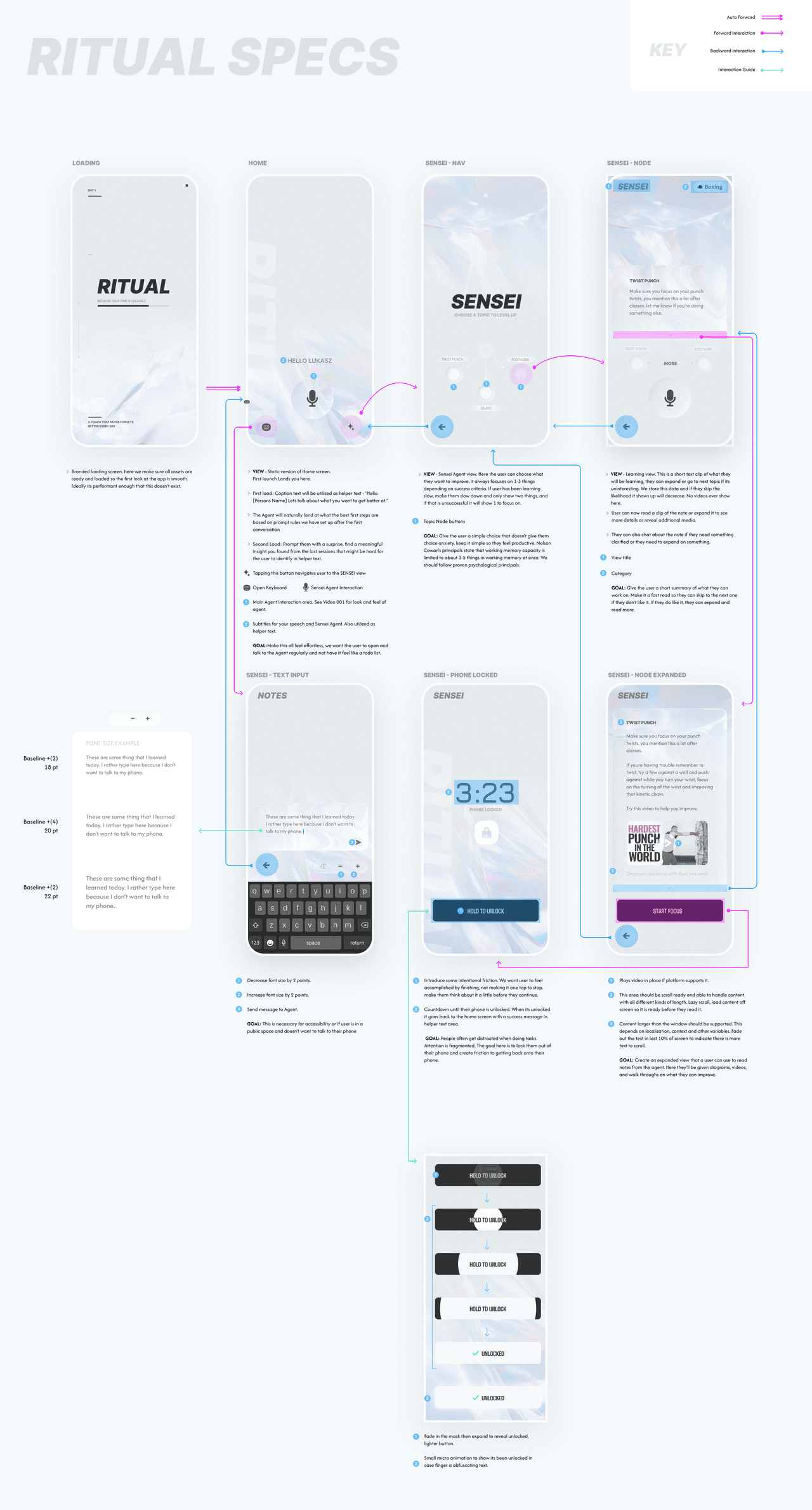
Every choice point in Ritual offers three options, never more. Three topics on the Sensei nav. Three actions on the home screen. Three states a coaching note can be in. Three is small enough to hold in mind, large enough to feel like a real choice. Anything more turns a coaching moment into an overwhelming menu.
Friction, placed on purpose
Most apps treat friction as a bug. Ritual treats it as a UX tool. Adding friction can feel counter intuitive, but necessary at times. Weather its approving a transaction or deleting an asset, making user pause to think sometimes is a good thing. A hold to unlock instead of a tap. A small pause before the agent responds. These moments exist so the user has time to ask themselves, am I sure?
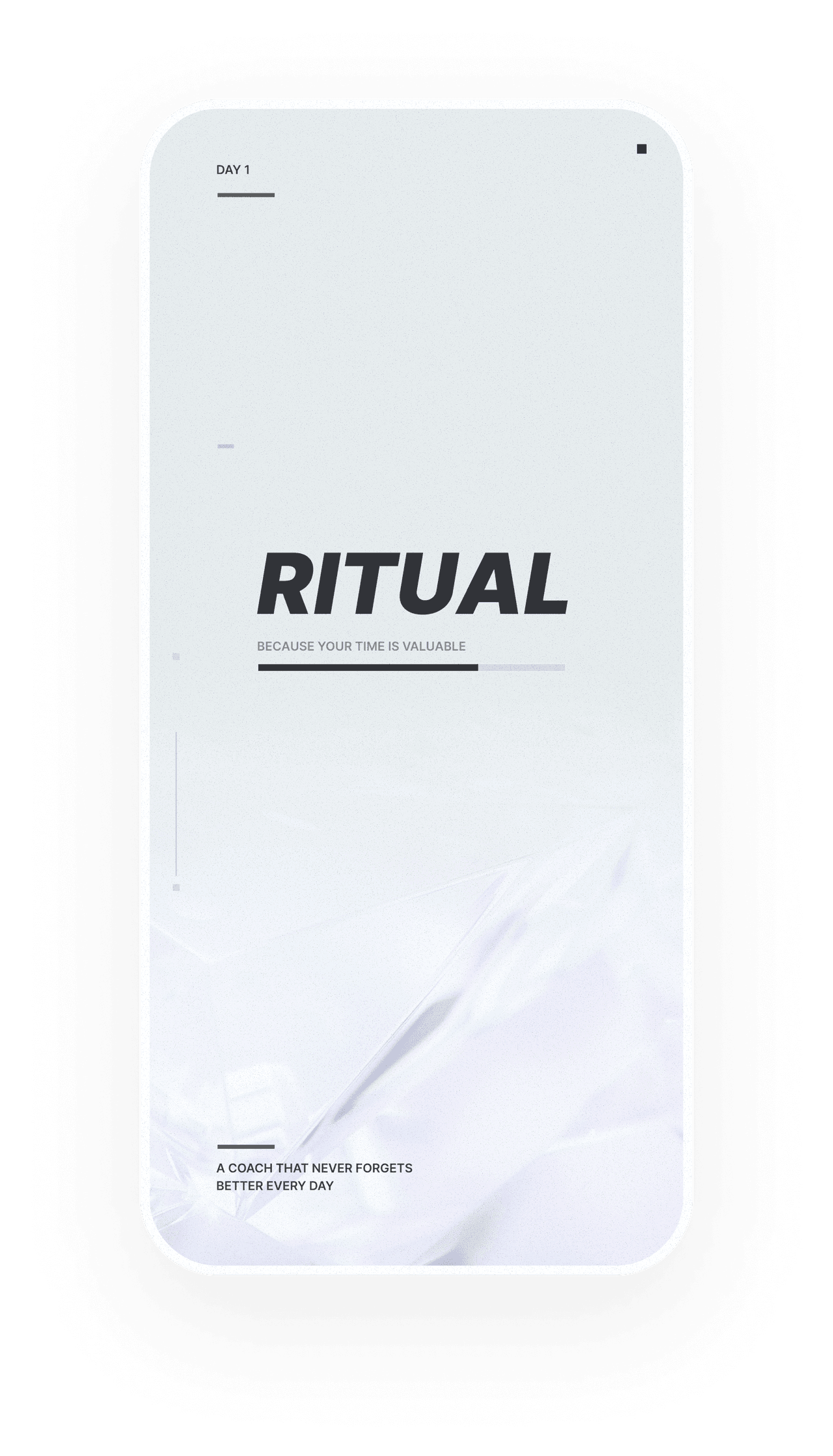
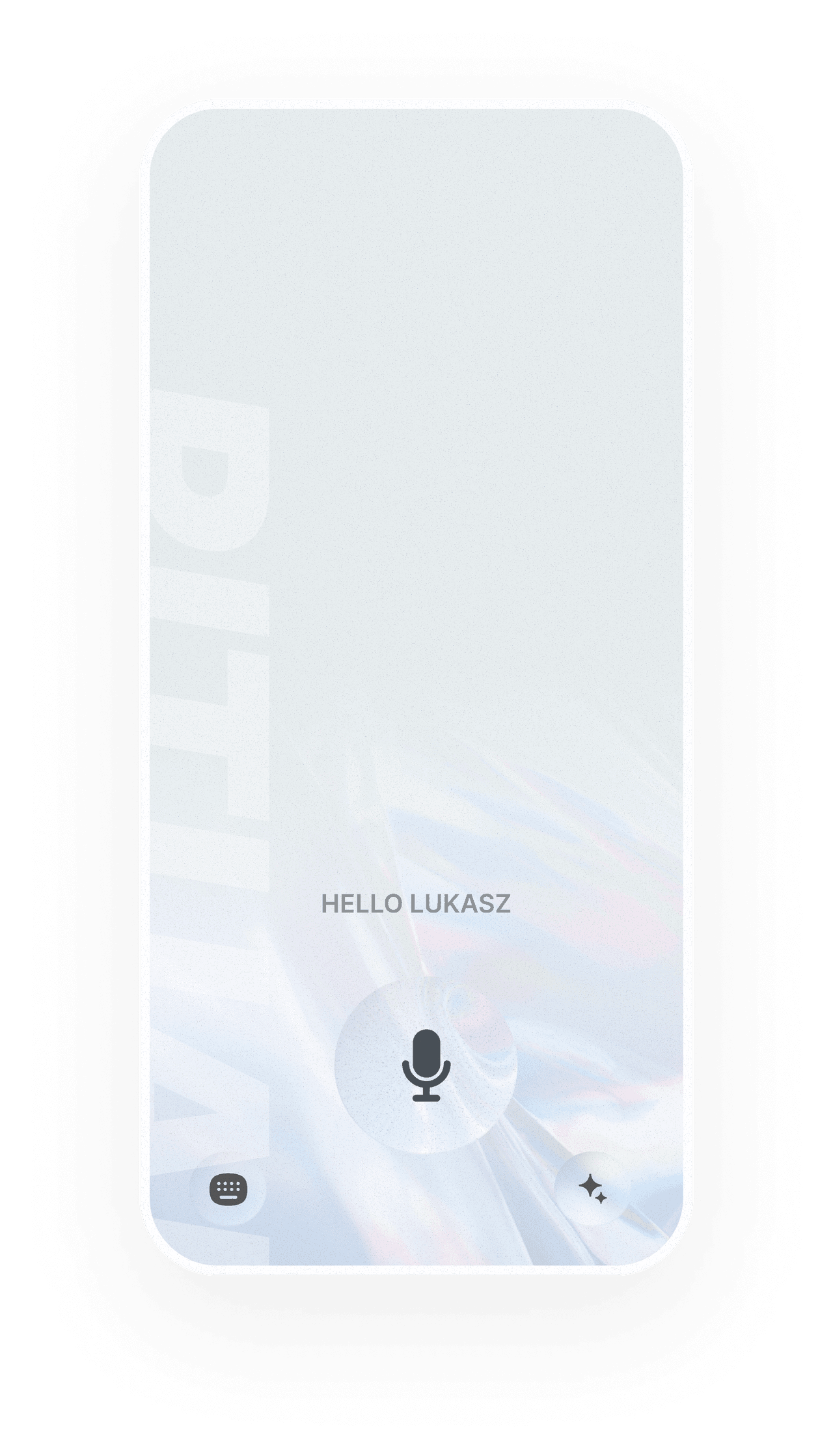
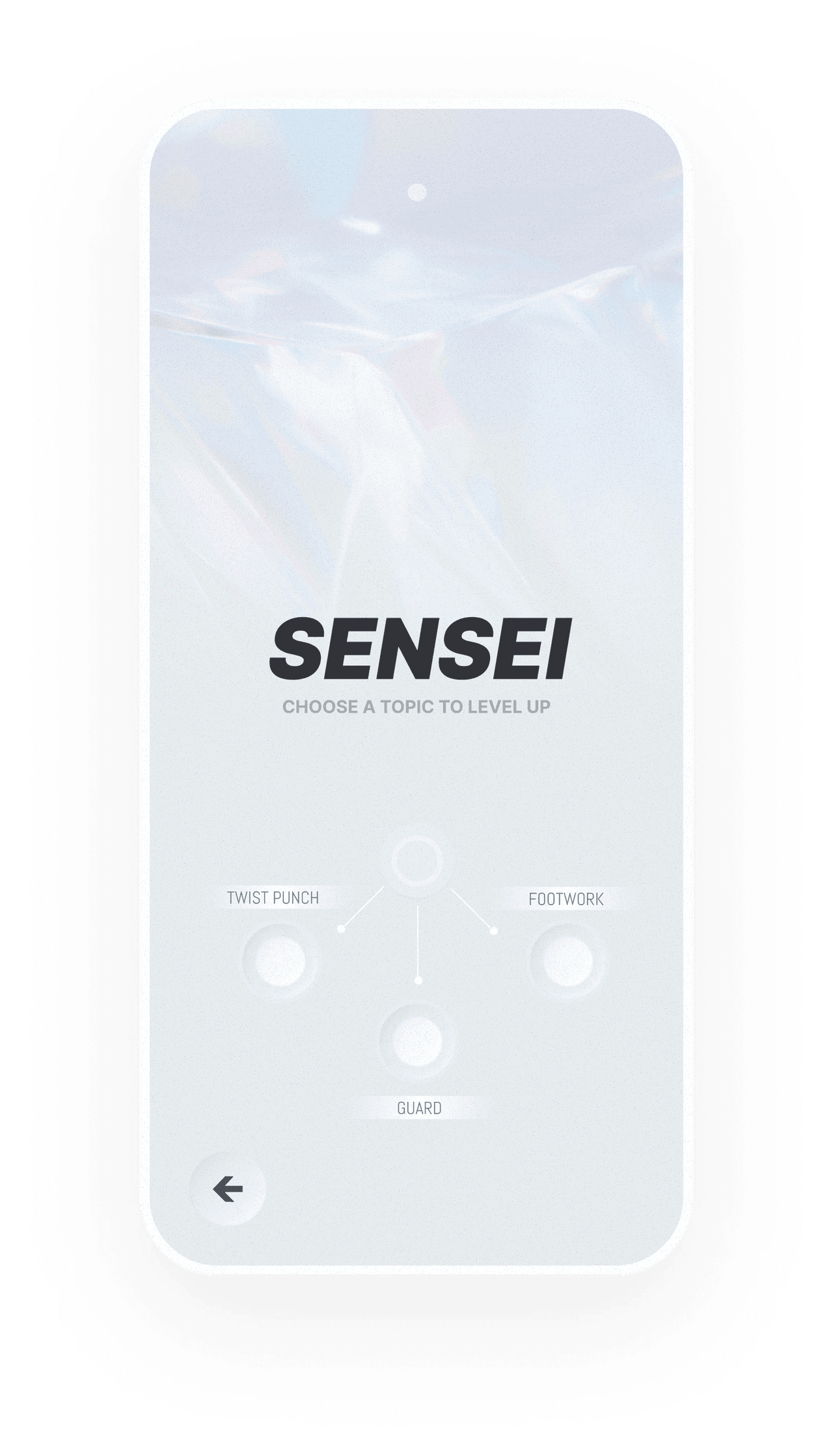
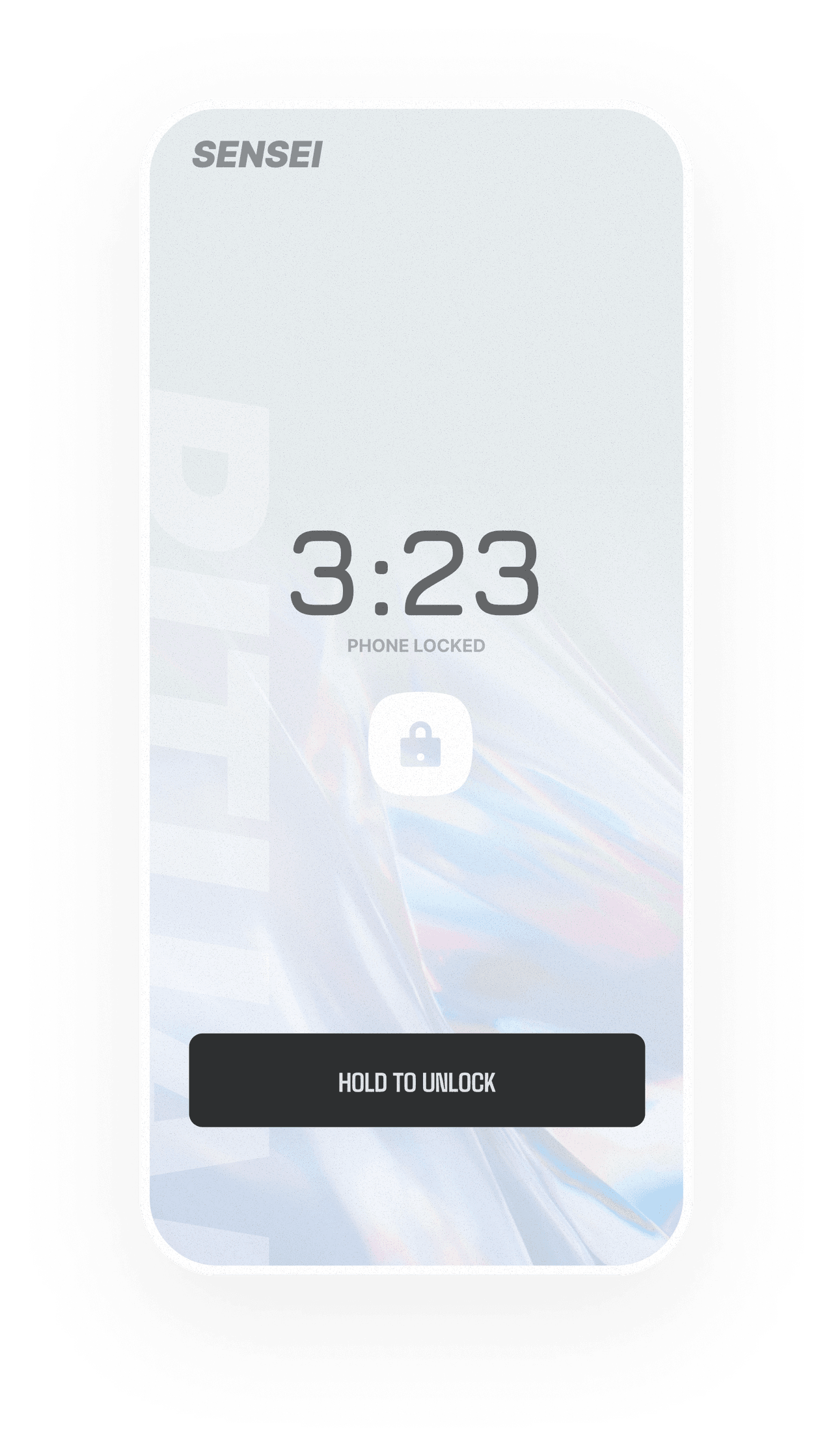
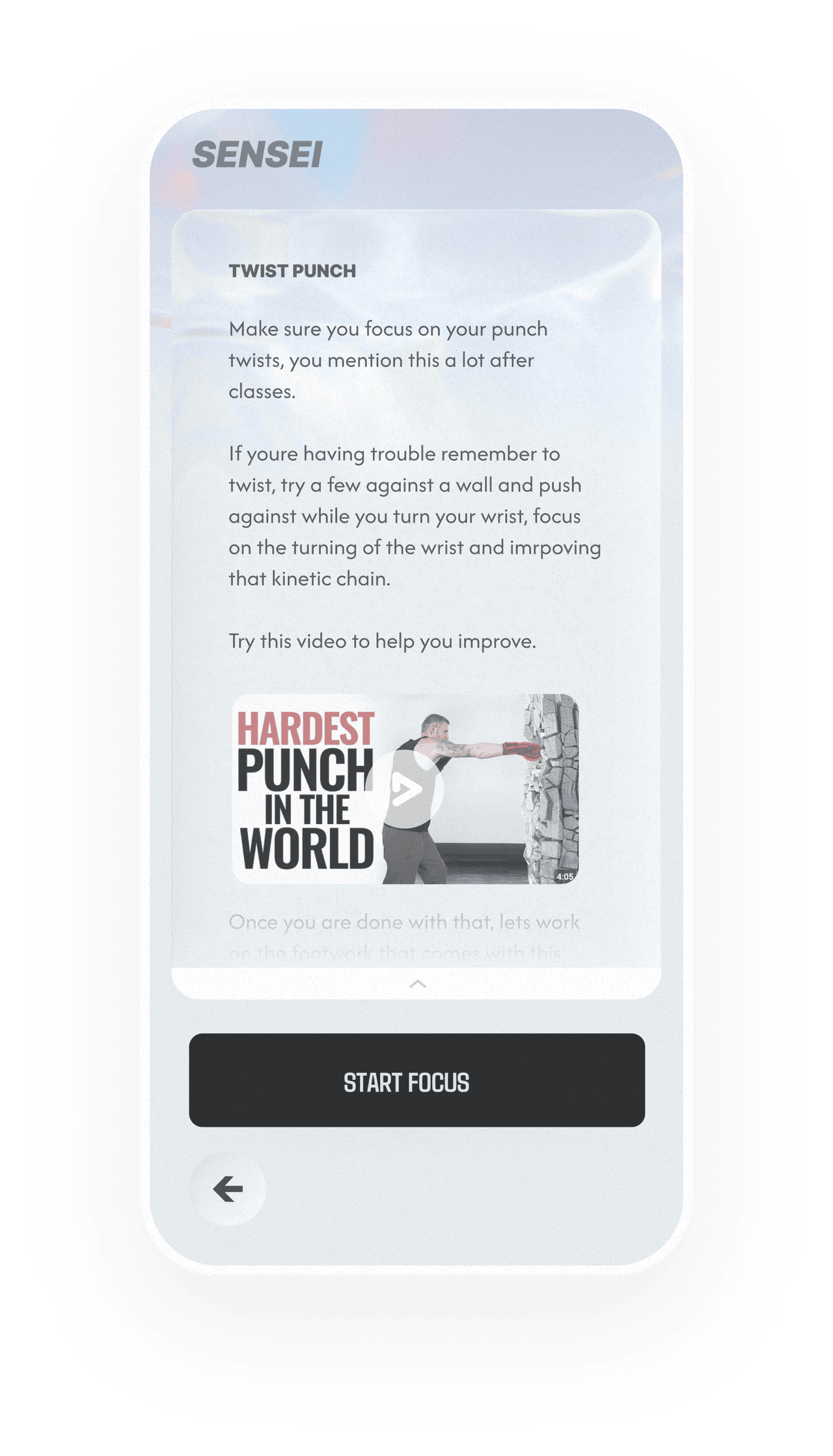
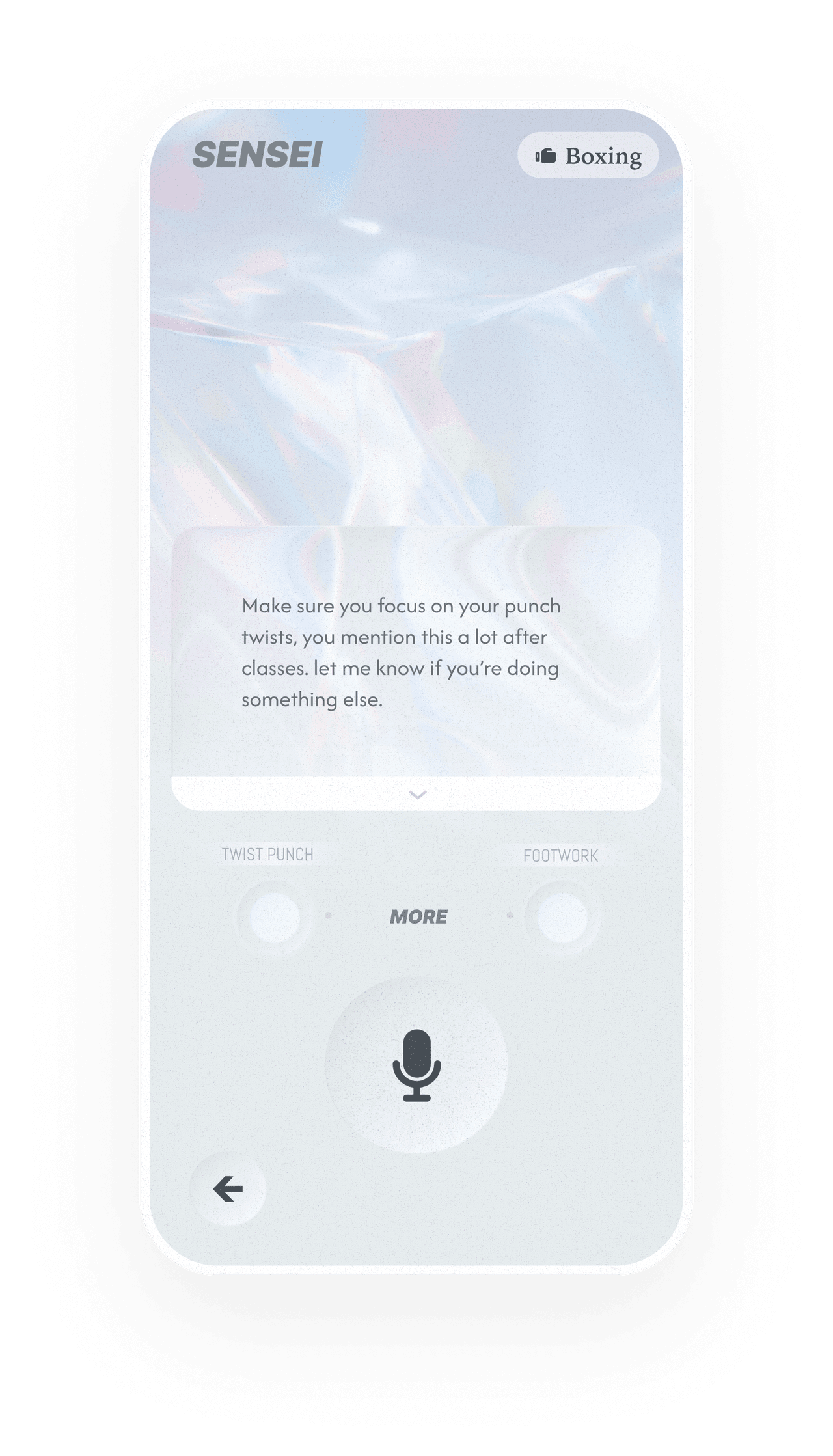
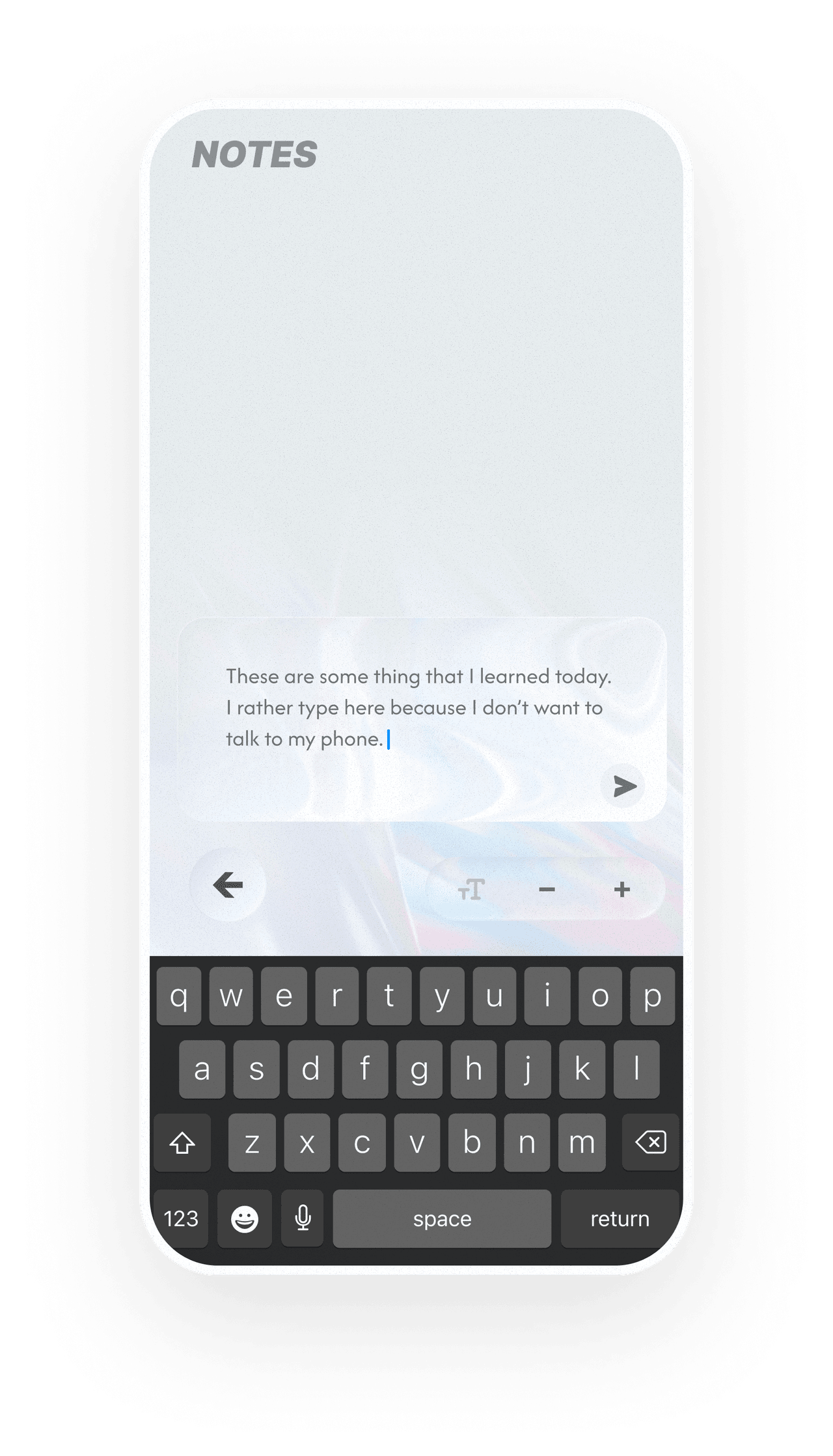
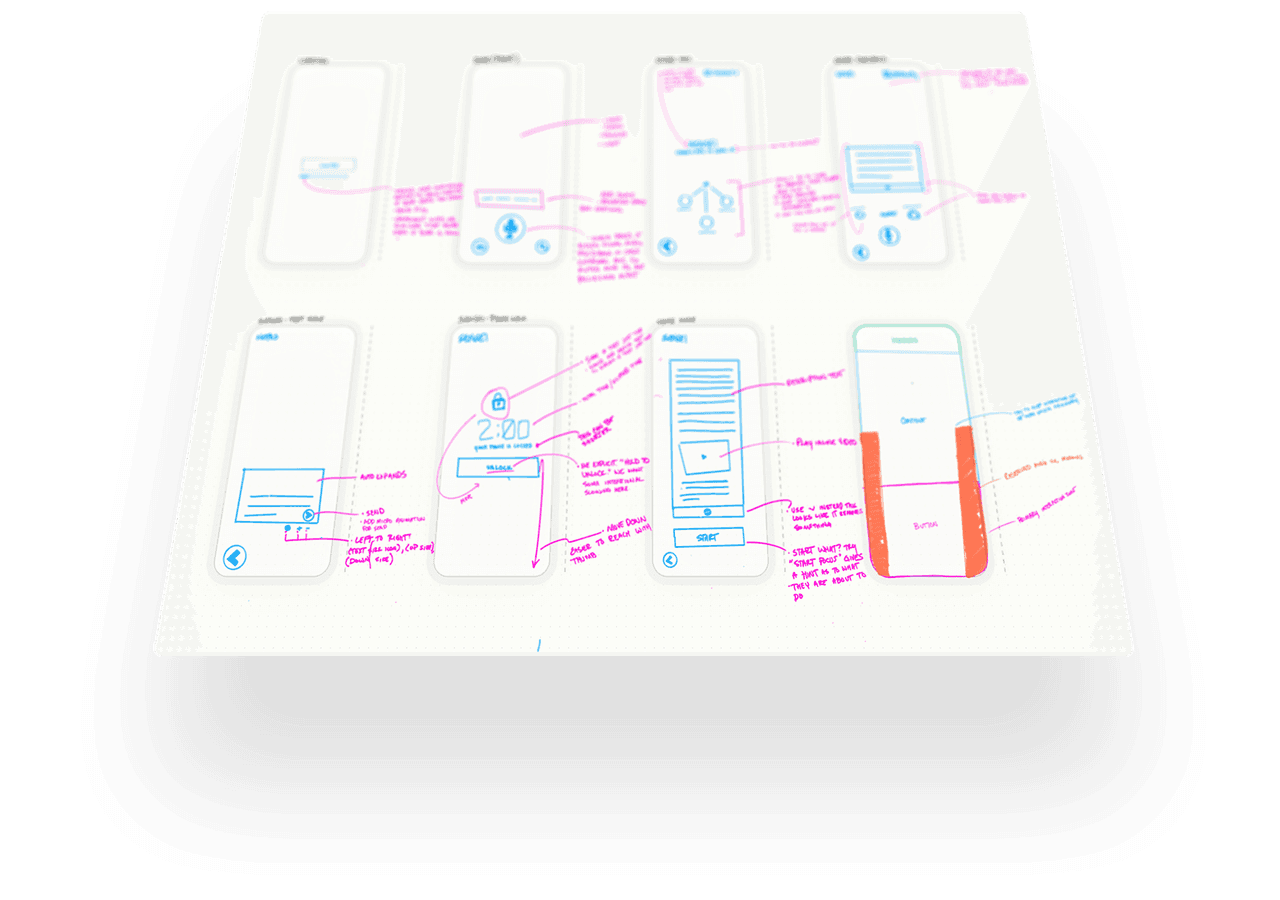
Not every wireframe needs a vector tool. Sometimes a rough sketch or paper prototype moves things forward faster, you get the idea out of your head, then polish it as your understanding of the problem sharpens.
The agent, in conversation
Thirty seconds of Ritual in use. The user talks through a problem they've been stuck on, the agent listens, connects it to something they mentioned in an earlier session, and offers one small thing to try. That's the whole loop. Simple on the front end, complex on the backend. The response is short, specific, and grounded in something the user actually said, not a generic suggestion a search engine could produce. Do the hard work for the user, let them sit back and enjoy improving.
Tools
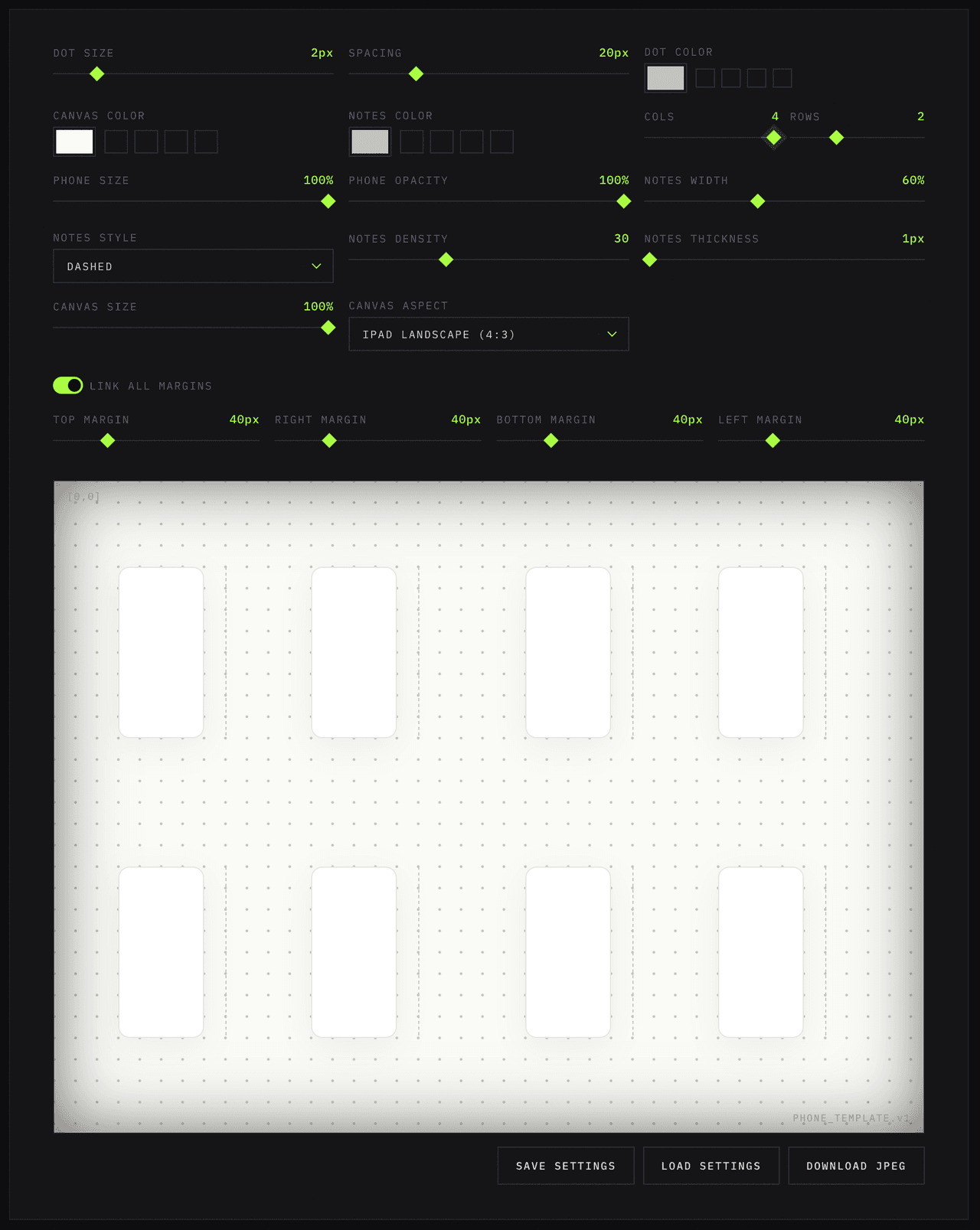
A custom UX sketch template maker
To design faster, I've been building my own tools instead of hunting for them. Instead of recreating the same sketch templates for sketches, I made a template builder that is easy to modify to help speed this project up. One recent example: a custom UX sketch template maker that runs entirely from a single HTML file. Anyone can download it, open it, and it renders the images without technical knowledge. Easy to share on teams and easy to use.